
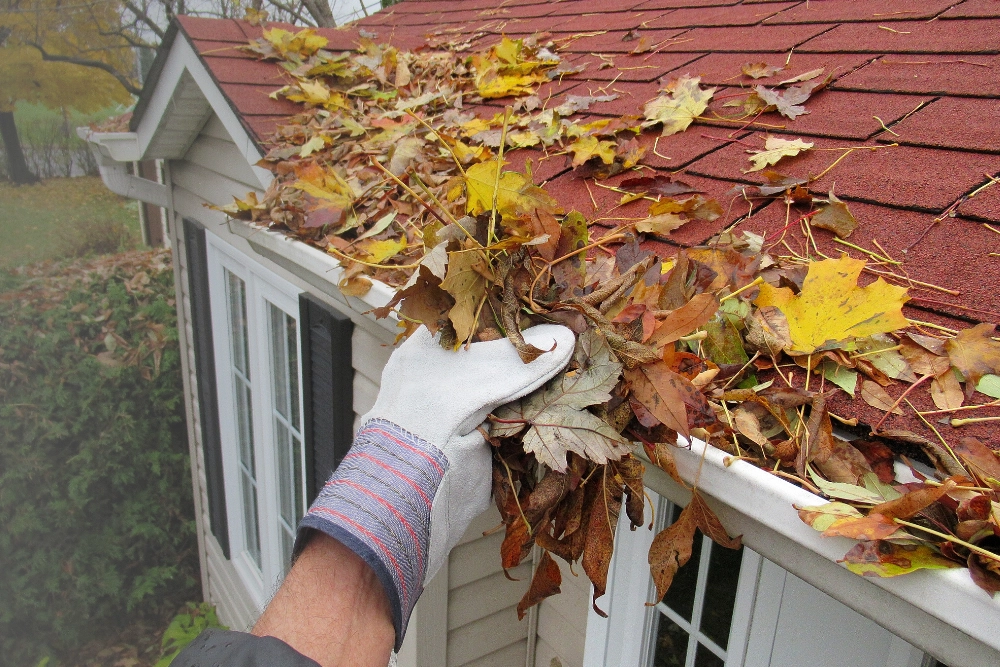
A clogged gutter can go unnoticed until the next heavy rain sends water spilling over the edge instead of through the downspout. For most homes, cleaning gutters at least twice a year is a practical starting point, but the right schedule depends on nearby trees, debris buildup, and local weather conditions.
So, how often do you need to clean gutters to prevent water damage? A spring and fall cleaning schedule works for many properties, while homes exposed to heavy debris or seasonal storms may need more frequent attention. In Arizona, inspecting gutters before and after monsoon season can help identify blockages before they cause drainage problems.
This guide explains how to establish a cleaning schedule, recognize warning signs, and protect your home from avoidable water damage.
How Often Should Gutters Be Cleaned?
Most homeowners should plan to clean their gutters at least twice a year. However, this is a general maintenance guideline rather than a fixed rule for every property.
Your gutter cleaning frequency should reflect the conditions surrounding your home.
-
Twice a year: A reasonable starting point for homes with moderate debris exposure.
-
Every three to four months: Worth considering for homes surrounded by trees or experiencing frequent debris accumulation.
-
After major storms: Inspect gutters for branches, leaves, sediment, and displaced debris.
-
Whenever drainage problems appear: Check gutters promptly if water overflows, downspouts stop draining, or standing water remains.
Regular inspections can help you determine whether your current schedule is sufficient.
Why Regular Gutter Cleaning Helps Prevent Water Damage
Gutters collect rainwater from the roof and direct it away from your home through downspouts. When debris blocks that path, water can overflow or collect where it should not.
Protecting Your Roof and Fascia
Clogged gutters can hold water against the roof edge and fascia boards. Prolonged moisture exposure may contribute to wood deterioration, staining, or damage to vulnerable roofline materials.
Reducing Water Accumulation Around the Foundation
When gutters overflow, water may collect near the base of your home instead of being directed toward an appropriate drainage area.
Over time, repeated water accumulation can contribute to soil erosion, moisture intrusion, and other drainage-related concerns.
Preventing Exterior Wall Damage
Overflowing water can run down stucco, siding, windows, and exterior walls. Depending on the surface and drainage conditions, this may result in staining or moisture-related deterioration.
Keeping gutters clear supports proper water movement and helps reduce unnecessary exposure.
How Often to Clean Gutters in Arizona
Arizona homeowners face different maintenance conditions than properties in wetter climates. Although Phoenix and Scottsdale experience long dry periods, gutters can still accumulate debris between rainstorms.
Before Monsoon Season
Arizona's summer monsoon season generally runs from June 15 through September 30. Before this period, inspect gutters for accumulated dust, leaves, palm debris, and other obstructions.
A pre-monsoon cleaning helps prepare the drainage system for seasonal rainfall.
After Monsoon Season
Strong winds and storms can deposit branches, leaves, and other debris along rooflines.
An inspection after monsoon season can reveal blockages that developed during the summer, even if the gutters appeared clear beforehand.
During Extended Dry Periods
Dry weather does not necessarily mean gutters remain clean. Windblown dust, leaves, and debris can collect over time.
For homes in Scottsdale, Phoenix, Mesa, and surrounding communities, the most effective schedule depends on the property's landscaping, roof design, and exposure to wind.
Signs Your Gutters Need Cleaning
You do not always need to wait for your scheduled cleaning date. Certain warning signs indicate that your gutters may already be obstructed.
-
Water spilling over gutter edges during rainfall
-
Plants or weeds growing inside gutters
-
Visible leaves, branches, or sediment buildup
-
Downspouts releasing little or no water during rain
-
Sagging gutters or sections holding standing water
-
Water stains appearing along fascia boards or exterior walls
-
Soil erosion or recurring puddles beneath the roofline
If you notice these conditions, inspect the drainage system before the next significant rainfall.
Keep in mind that overflowing water can also indicate an incorrectly sloped gutter, an undersized drainage system, or a damaged downspout. Cleaning alone may not resolve every drainage issue.
Factors That Affect Your Gutter Cleaning Schedule
Nearby Trees and Landscaping
Homes with overhanging trees or landscaping close to the roof may experience more frequent debris accumulation.
Palm fronds, small leaves, twigs, and seed pods can obstruct gutter channels or downspout openings.
Roof Design and Gutter Layout
Rooflines with multiple valleys may concentrate runoff and debris into particular gutter sections. Narrow channels, tight corners, and downspout openings can also become collection points.
Seasonal Weather
Windstorms and heavy rainfall can introduce debris or expose existing drainage problems.
Inspecting gutters after significant weather events is particularly useful when you notice visible debris or overflowing water.
Gutter Guards
Gutter guards may reduce the amount of larger debris entering a gutter, but they do not eliminate maintenance.
Fine sediment and smaller materials can still accumulate, and debris may collect on top of the guards.
Even with gutter protection installed, periodic inspections remain necessary.
A Simple Gutter Maintenance Schedule for Arizona Homeowners
- Spring: Inspect and clean gutters before monsoon season.
- Summer: Check for blockages after major windstorms or heavy rainfall.
- Fall: Remove accumulated debris and inspect drainage after monsoon season.
- Winter: Check gutters as needed, especially after storms or visible debris buildup.
This schedule provides a starting point. Homes with heavier debris exposure may require additional cleaning throughout the year.
Can You Clean Gutters Yourself?
Some homeowners choose to handle routine gutter maintenance themselves. However, working from ladders or near roof edges presents fall hazards, particularly on taller homes or properties with uneven ground.
Before attempting gutter cleaning, consider the height of your roofline, the accessibility of the gutters, and whether the downspouts require flushing.
Avoid climbing onto a roof or using an unstable ladder. If the gutters are difficult to access, professional cleaning may be the safer option.
Professional gutter cleaning can also help identify visible drainage concerns, although repairs or structural problems may require a qualified contractor.
Keep Your Gutters Ready for Arizona's Next Rainstorm
Regular gutter cleaning is a straightforward way to maintain proper drainage and reduce the risk of water damage. For many homes, twice-yearly cleaning provides a useful starting point, with additional inspections before and after Arizona's monsoon season.
If your gutters are overflowing, collecting debris, or due for routine maintenance, our team at Phoenix Precision Pressure Washing can help. We provide professional gutter cleaning services that include debris removal, downspout flushing, and drainage checks for properties throughout Phoenix, Scottsdale, and surrounding communities.
Call us at (623) 512-1284 to discuss your gutter maintenance needs and request an estimate.
Frequently Asked Questions
Is cleaning gutters twice a year enough?
Twice a year is a practical starting point for many homes. Properties with overhanging trees, frequent windblown debris, or recurring blockages may require cleaning more often.
What is the best time to clean gutters in Arizona?
Spring, before monsoon season, and fall, after monsoon season, are useful times to schedule routine cleaning. Additional inspections may be necessary after major storms.
Can clogged gutters cause foundation damage?
Clogged gutters can cause rainwater to overflow and collect near a home's foundation. Repeated water accumulation may contribute to soil erosion and moisture problems, depending on the property's drainage conditions.
Do gutters need cleaning if there are no trees nearby?
Yes. Dust, sediment, roofing granules, and windblown debris can still accumulate in gutters, even without nearby trees.
Do gutter guards eliminate the need for cleaning?
No. Gutter guards can reduce certain types of debris accumulation, but periodic inspections and maintenance are still necessary.
Need exterior cleaning in Phoenix or the Valley?
Request a free quote from Phoenix Precision Pressure Washing, or browse all our services.