
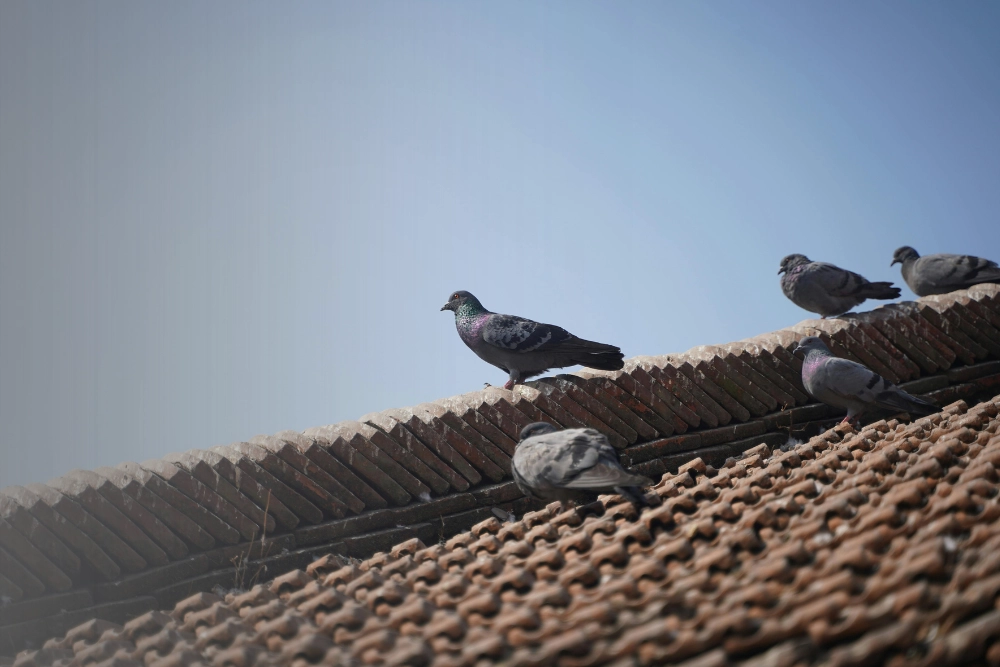
Pigeon activity around residential properties can lead to recurring maintenance concerns, including accumulated droppings, nesting debris, and damage to exterior surfaces. Addressing these issues requires more than temporarily discouraging birds from gathering. Effective prevention involves identifying attractants, restricting access to nesting areas, and implementing appropriate deterrent measures.
Understanding how to keep pigeons away from house rooftops, patios, and surrounding areas begins with evaluating the conditions that encourage birds to return. Removing accessible food and water sources, installing physical barriers, and maintaining exterior surfaces can help reduce recurring pigeon activity.
For homeowners in Scottsdale, Phoenix, and surrounding Arizona communities, a consistent prevention strategy can help maintain property conditions and reduce long-term maintenance requirements.
Why Pigeons Continue Returning to Residential Properties
Pigeons are attracted to environments that provide accessible food, water, and sheltered locations for resting or nesting. Once a property offers these conditions, birds may establish recurring activity patterns and continue returning despite temporary disturbances.
Several residential features can contribute to persistent pigeon activity.
Sheltered Roof Areas
Roof overhangs, covered patios, and protected ledges provide sheltered locations where pigeons can rest with reduced exposure to weather conditions.
Rooftop solar panel installations may also create accessible spaces beneath the equipment, providing additional nesting opportunities.
Accessible Food and Water Sources
Outdoor pet food, bird feeders, unsecured waste containers, and standing water can attract pigeons to residential properties.
Even limited access to these resources may encourage repeated visits, particularly when reliable alternatives are unavailable nearby.
Established Nesting Locations
Pigeons may return to previously occupied nesting areas when suitable shelter and access remain available.
Addressing these conditions through appropriate exclusion measures is an essential component of long-term pigeon prevention.
Effective Methods for Keeping Pigeons Away From Your Home
Successful pigeon prevention requires selecting methods appropriate for the property's layout, existing bird activity, and accessible nesting locations. Combining preventive maintenance with physical deterrents generally provides more dependable results than relying exclusively on temporary solutions.
1. Eliminate Accessible Food and Water Sources
Reducing access to food and water is an important initial step in discouraging pigeon activity.
Homeowners can implement the following preventive measures:
-
Store pet food indoors when it is not being used.
-
Clean outdoor dining and entertainment areas regularly.
-
Maintain securely covered waste containers.
-
Eliminate unnecessary standing water around patios and exterior fixtures.
-
Avoid feeding pigeons or other birds near residential structures.
Although these measures may not immediately eliminate established nesting activity, they can reduce conditions that encourage pigeons to remain on the property.
2. Install Bird Spikes on Appropriate Surfaces
Bird spikes are physical deterrents designed to discourage pigeons from landing or resting on narrow architectural surfaces.
Common installation locations include:
-
Roof ledges
-
Window sills
-
Exterior beams
-
Building projections and signs
Properly selected and installed bird spikes can restrict access to frequently used perching locations without relying on chemical repellents.
Installation should account for surface compatibility, drainage requirements, and the dimensions of the area requiring protection.
3. Install Bird Netting to Restrict Access
Bird netting provides a physical barrier that prevents pigeons from entering designated areas.
This approach may be appropriate for covered patios, recessed building features, and sheltered locations where pigeons repeatedly gather.
Effective installation requires appropriate materials, secure attachment points, and proper tension to minimize the risk of birds becoming trapped or entangled.
Before closing access points, the area should be inspected to confirm that birds, eggs, or active nests are not present.
4. Protect Areas Beneath Solar Panels
Solar panel installations can create sheltered spaces between the equipment and roof surface. These areas may attract pigeons seeking protected nesting locations.
Purpose-designed solar panel mesh barriers can help restrict access beneath the panels while preserving the exposed surfaces required for solar energy collection.
Installation must account for ventilation, electrical components, roof materials, and equipment manufacturer requirements.
Because improper installation may interfere with solar equipment or roofing systems, professional assessment and installation are generally recommended.
5. Maintain Clean Rooftops and Exterior Surfaces
Pigeon droppings, feathers, and nesting materials can accumulate on roofs, patios, walkways, and other exterior surfaces.
Routine maintenance helps preserve property conditions and allows homeowners to identify developing bird activity.
However, cleaning alone does not prevent pigeons from returning. Effective prevention also requires addressing accessible nesting locations and environmental attractants.
Accumulated bird droppings should be handled carefully. Dry sweeping or direct high-pressure washing may disperse contaminated particles. Significant buildup should be evaluated and removed using appropriate protective equipment and cleaning procedures.
6. Evaluate Visual Deterrents
Reflective materials, moving decorations, and predator decoys are sometimes used to discourage pigeons from gathering around residential structures.
However, pigeons may gradually become accustomed to predictable or stationary objects, reducing their effectiveness over time.
Visual deterrents are generally more appropriate as supplementary measures rather than primary long-term prevention solutions.
How to Keep Pigeons Off Residential Rooftops
Rooftops frequently provide elevated perching locations and access to sheltered areas. Preventing recurring activity requires identifying the specific locations pigeons use and determining which exclusion methods are appropriate.
Homeowners should monitor for the following indicators:
-
Repeated pigeon activity along roof edges
-
Droppings beneath established perching locations
-
Nesting materials near rooftop equipment
-
Birds entering spaces beneath solar panels
-
Accumulated feathers around sheltered roof sections
Once these areas have been identified, appropriate physical barriers or deterrents can be considered.
Roof inspections and nest removal should not be attempted without suitable training and safety equipment. Elevated work presents significant fall hazards, while active nesting locations may require additional precautions.
Preventing Pigeons From Nesting Beneath Solar Panels
Rooftop solar panel installations are common throughout the Phoenix metropolitan area. Although these systems provide important energy benefits, the spaces beneath them may also offer sheltered nesting locations for pigeons.
The gap between solar panels and roofing materials can provide protection from direct sunlight, wind, and certain weather conditions.
Preventive measures may include:
-
Inspecting visible panel edges from a safe location.
-
Identifying signs of nesting activity or accumulated debris.
-
Removing accessible food and water sources around the property.
-
Installing appropriate mesh barriers when suitable.
-
Maintaining the surrounding roof area to identify recurring activity.
Physical barriers should be installed without interfering with required ventilation, electrical wiring, or manufacturer specifications.
When pigeons are already nesting beneath solar panels, a professional assessment can help determine the appropriate approach before access points are restricted.
Why Pigeon Prevention Is Important for Arizona Properties
Arizona's climate and residential building features can contribute to conditions that attract pigeons. During periods of intense heat, sheltered areas around rooftops and exterior structures may provide protection from direct sunlight.
Homes in Scottsdale, Phoenix, Mesa, and surrounding communities frequently feature tile roofing, covered patios, and rooftop solar equipment that may provide suitable perching or nesting locations.
Recurring pigeon activity can create several property maintenance concerns.
Exterior Surface Staining
Accumulated pigeon droppings can cause visible staining on roofing materials, patios, exterior walls, and outdoor fixtures.
Prolonged exposure may also affect certain surface finishes, making timely cleaning and preventive maintenance beneficial.
Drainage Obstructions
Nesting materials, feathers, and other debris may accumulate near gutters, roof valleys, and drainage openings.
These obstructions can interfere with proper water movement during seasonal rainfall.
Maintaining clear drainage areas helps reduce unnecessary moisture accumulation and related maintenance concerns.
Increased Maintenance Requirements
Properties with established pigeon activity may require repeated exterior cleaning if nesting and perching conditions remain unchanged.
Combining appropriate cleaning procedures with physical exclusion measures can help reduce recurring maintenance needs.
Pigeon Deterrent Methods With Limited Long-Term Effectiveness
Certain commonly recommended pigeon deterrents may provide temporary results but are not consistently effective as permanent prevention solutions.
-
Plastic predator decoys: Pigeons may become accustomed to stationary objects, reducing their effectiveness.
-
Reflective tape: Initial deterrent effects may decline as birds become familiar with the material.
-
Ultrasonic devices: Reliable evidence supporting consistent long-term pigeon deterrence remains limited.
-
Strong-smelling household substances: These methods are generally unreliable and may create additional surface or safety concerns.
-
Occasional noise: Birds may return after the disturbance ends.
For more dependable results, homeowners should prioritize physical exclusion, attractant removal, and routine property maintenance.
When Professional Pigeon Proofing May Be Necessary
Some pigeon concerns can be managed through routine maintenance and basic preventive measures. However, persistent nesting activity or difficult-to-access locations may require specialized equipment and professional assistance.
Professional pigeon proofing may be appropriate when:
-
Pigeons repeatedly nest beneath solar panels.
-
Birds occupy elevated or inaccessible roof sections.
-
Existing deterrents have not resolved recurring activity.
-
Nesting debris and droppings continue accumulating.
-
Permanent physical exclusion measures are required.
At Phoenix Precision Pressure Washing, we recognize the importance of maintaining residential exterior surfaces and addressing recurring bird-related concerns. Our pigeon proofing services help homeowners evaluate practical prevention options based on their property's conditions.
The appropriate solution depends on roof design, existing nesting activity, accessibility, and the areas requiring protection.
Maintain a Cleaner and Better-Protected Property
Effective pigeon prevention requires a combination of environmental management, appropriate physical deterrents, and consistent exterior maintenance. Removing attractants and restricting access to sheltered nesting locations can help reduce recurring activity and associated property concerns.
For homes experiencing persistent pigeon problems, professional pigeon proofing can provide a more structured approach to long-term prevention.
Our team at Phoenix Precision Pressure Washing serves homeowners throughout Scottsdale, Phoenix, and surrounding Arizona communities.
To discuss your property's pigeon prevention needs, contact us at (623) 512-1284 or visit our pigeon proofing service page to request an estimate.
Frequently Asked Questions
What Is the Most Effective Method for Keeping Pigeons Away From a House?
Properly installed physical barriers, including bird spikes, netting, and solar panel mesh, are among the more dependable prevention methods. Eliminating accessible food and water sources can further reduce recurring pigeon activity.
What Smells Can Keep Pigeons Away?
Certain household substances are promoted as pigeon repellents, but there is limited reliable evidence supporting their long-term effectiveness. Physical exclusion and attractant removal generally provide more dependable results.
How Can Homeowners Prevent Pigeons From Returning?
Homeowners should identify recurring perching and nesting locations, eliminate accessible food and water, maintain affected surfaces, and install appropriate barriers where necessary.
Can Pigeons Cause Problems With Solar Panels?
Pigeons may deposit droppings and nesting materials around solar panel installations. Accumulated debris can create maintenance concerns involving wiring, drainage, and access beneath the equipment.
Is It Safe to Remove a Pigeon Nest Without Professional Assistance?
Nest removal may involve elevated work, exposure to bird droppings, and potential wildlife-related requirements. Professional guidance is recommended before disturbing active nests, particularly when eggs or young birds are present.
Need exterior cleaning in Phoenix or the Valley?
Request a free quote from Phoenix Precision Pressure Washing, or browse all our services.