
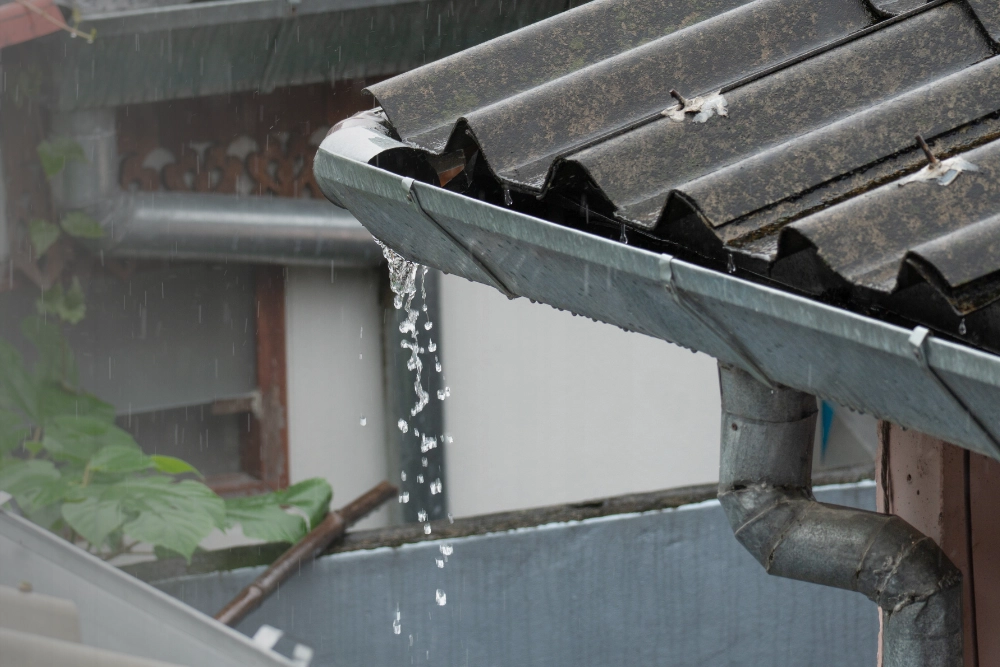
Water dripping behind gutters is often an indication of drainage obstructions, damaged flashing, improper gutter alignment, or gaps along the roof edge. Rather than flowing into the gutter system and through the downspouts, rainwater may reach the fascia boards and surrounding exterior materials.
If left unresolved, repeated water exposure can contribute to fascia deterioration, soffit damage, and moisture intrusion near the roofline. Identifying the underlying cause and implementing appropriate corrective measures are essential for maintaining effective drainage and protecting the property's structural components.
For homeowners in Scottsdale, Phoenix, and surrounding Arizona communities, gutter drainage concerns may become more apparent during periods of heavy monsoon rainfall. Understanding the causes, warning signs, and preventive maintenance requirements can help reduce the risk of property damage.
Why Is Water Dripping Behind Gutters?
Water leaking behind gutters generally indicates that rainwater is not being directed into or through the gutter system as intended.
Several conditions can contribute to this issue, ranging from routine maintenance concerns to installation or roofing defects.
Clogged Gutters and Downspouts
Leaves, dirt, roofing particles, and other debris can accumulate inside gutters and restrict water flow.
When drainage becomes obstructed, rainwater may overflow along the front or rear edge of the gutter. Water overflowing from the rear can travel down the fascia boards, creating the appearance of a leak between the gutter and roof.
Blocked downspouts can produce similar conditions by preventing water from draining efficiently.
During heavy rainfall, even partial obstructions may contribute to gutter overflow and drainage problems.
Missing or Damaged Gutter Flashing
Gutter flashing is designed to help direct rainwater from the roof edge into the gutter system.
Depending on the roof configuration, components such as drip-edge flashing or a gutter apron may be installed to prevent water from flowing behind the gutter.
When flashing is missing, damaged, incorrectly positioned, or separated from the gutter, water may travel along the roof edge and reach the fascia.
These conditions typically require evaluation by a qualified roofing or gutter professional to determine the appropriate corrective action.
Improper Gutter Positioning
Gutters must be positioned correctly to collect and direct runoff from the roof.
If a gutter is installed too low, positioned too far from the roof edge, or improperly aligned, rainwater may pass behind the system instead of entering it.
Incorrect positioning may also contribute to overflow at specific points along the roofline.
Depending on the condition of the installation, corrective measures may involve adjusting or reinstalling affected gutter sections.
Loose Gutter Fasteners
Gutter systems are secured to the property using hangers, brackets, or other fastening components.
Over time, these connections may loosen, allowing sections of the gutter to separate from the fascia.
Even relatively small gaps can allow rainwater to flow behind the gutter and reach surrounding materials.
Loose fasteners may also contribute to sagging or uneven alignment, further affecting drainage performance.
Damaged or Deteriorating Roof Edges
The condition of the roof edge can influence how rainwater enters the gutter system.
Damaged shingles, deteriorating roofing materials, or improperly installed edge components may redirect water toward the fascia.
In these circumstances, gutter cleaning alone will not correct the underlying problem.
Suspected roofing defects should be inspected by a qualified roofing professional.
How Water Leaking Behind Gutters Can Affect Your Home
Repeated moisture exposure can affect several exterior components, particularly when drainage problems remain unresolved.
Fascia Board Deterioration
Fascia boards are installed along the roof edge and frequently serve as a mounting surface for gutters.
When rainwater repeatedly flows behind the gutter system, wooden fascia boards may absorb moisture and gradually deteriorate.
Potential warning signs include peeling paint, discoloration, swelling, and softened or rotting wood.
The extent of deterioration depends on the material, duration of exposure, and surrounding environmental conditions.
Soffit Damage
Soffits cover the underside of roof overhangs and help protect the area beneath the roofline.
Water entering behind gutters may reach soffit panels and surrounding materials, resulting in staining or deterioration.
Persistent moisture exposure may also affect enclosed areas near the roof edge.
Exterior Wall Staining
Water flowing down the fascia may continue onto exterior walls, leaving visible streaks, discoloration, or accumulated dirt.
On stucco and painted surfaces, repeated moisture exposure may contribute to finish deterioration, particularly where existing cracks or damaged coatings are present.
Moisture Intrusion Near the Roofline
Rainwater reaching gaps or deteriorated areas along the roof edge may enter locations that are not designed for prolonged moisture exposure.
Potential consequences include deterioration of underlying wood components and damage to surrounding materials.
Visible signs of moisture intrusion should be evaluated promptly by an appropriately qualified professional.
Signs That Water Is Leaking Behind Your Gutters
Gutter drainage problems may not be immediately apparent during dry weather.
Homeowners should periodically inspect visible gutter components and surrounding exterior surfaces, particularly after significant rainfall.
Common warning signs include:
-
Water flowing between the gutter and fascia during rainfall
-
Water stains or discoloration on fascia boards
-
Peeling paint or deteriorating wood near the roofline
-
Gutters that appear loose, uneven, or separated from the property
-
Moisture marks on soffits or exterior walls
-
Rainwater overflowing from the rear edge of the gutter
-
Persistent moisture around gutter attachment points
A visual inspection from ground level may help identify these conditions.
Roof access and elevated inspections present safety risks, particularly during wet weather. These activities should be performed by qualified professionals using appropriate safety equipment.
How to Stop Water Dripping Behind Gutters
The appropriate corrective action depends on the source of the drainage problem.
Some conditions can be addressed through routine gutter maintenance, while others require professional repairs to flashing, fasteners, or roofing components.
Remove Debris and Clear Drainage Obstructions
When accumulated debris restricts water movement, gutter cleaning may help restore proper drainage.
Removing leaves, dirt, and roofing particles allows rainwater to move more efficiently toward the downspouts.
Downspouts should also be checked for obstructions that may cause water to back up into the gutter system.
Our gutter cleaning services include debris removal, downspout flushing, and drainage checks to help address maintenance-related obstructions.
Arrange an Inspection of Gutter Flashing
If water continues to flow behind gutters after drainage obstructions have been removed, missing or improperly positioned flashing may be responsible.
A qualified roofing or gutter professional can inspect the roof edge and determine whether the flashing requires adjustment, repair, or replacement.
Any corrective work should be completed using methods compatible with the existing roofing system.
Correct Loose or Misaligned Gutters
Gutters that have separated from the fascia may require adjustments to their fastening components or replacement of damaged hardware.
Proper alignment helps ensure that roof runoff enters the gutter system as intended.
If the fascia has deteriorated, repairs to the affected material may be necessary before the gutter can be securely reattached.
Evaluate Roof-Edge Damage
Damaged shingles, deteriorating roof edges, and other roofing defects may interfere with proper water drainage.
When these conditions are suspected, a qualified roofing professional should inspect the affected area.
Addressing the underlying roofing problem is necessary to prevent recurring leaks.
Verify Proper Drainage
Following maintenance or repairs, the gutter system should be evaluated to confirm that rainwater flows toward the downspouts without leaking behind the fascia.
Any drainage assessment should be performed safely and in accordance with the requirements of the repaired materials.
Gutter Maintenance Considerations for Arizona Homes
Arizona's environmental conditions can influence gutter maintenance requirements throughout the year.
Extended dry periods may allow dust and debris to accumulate, while heavy monsoon rainfall can expose existing drainage restrictions and installation problems.
Dust and Debris Accumulation
Windblown dust, leaves, and roofing particles may collect inside gutters between rainfall events.
When rain occurs, accumulated materials can restrict drainage and contribute to overflow.
Periodic inspections help identify debris accumulation before it interferes with gutter performance.
Monsoon Rainfall
Arizona's summer monsoon season can bring periods of intense rainfall that place additional demands on residential drainage systems.
Gutters affected by blockages, loose connections, or improper alignment may be less effective at directing runoff away from the roofline.
Homeowners should consider gutter inspections before the monsoon season and after storms that deposit substantial debris.
Roof and Exterior Surface Conditions
Residential properties throughout Scottsdale, Phoenix, Mesa, and surrounding communities feature a range of roofing systems and exterior finishes.
These materials can influence how water moves from the roof into the gutter system.
Maintenance recommendations should account for the property's roof design, gutter configuration, and exterior materials.
When Gutter Cleaning Is Not Enough
Not all gutter leaks can be resolved through cleaning.
If water continues to drip behind the gutter system after accumulated debris and drainage obstructions have been addressed, the problem may involve flashing, installation, or structural components.
Professional repair evaluation may be necessary when the following conditions are present:
-
Gutters separating from the fascia
-
Missing or visibly damaged flashing
-
Deteriorating or rotting fascia boards
-
Damaged roofing materials near the gutter
-
Persistent leaks despite clear gutters and downspouts
-
Significant gutter sagging or misalignment
Gutter cleaning can address debris accumulation and certain drainage restrictions. However, it does not replace necessary repairs to roofing, flashing, or structural components.
Identifying the underlying cause helps ensure that the appropriate maintenance or repair work is completed.
How to Prevent Future Gutter Drainage Problems
Preventive maintenance helps maintain gutter performance and provides opportunities to identify developing issues before they result in additional property damage.
Recommended practices include:
-
Conduct periodic gutter inspections. Check for visible debris, loose sections, and signs of water staining.
-
Remove accumulated debris. Maintain clear gutters and downspouts to support proper drainage.
-
Inspect visible roofline components. Look for damaged flashing, deteriorating fascia, or changes in gutter alignment.
-
Observe drainage after rainfall. Confirm that water enters the gutters and exits through the downspouts as intended.
-
Arrange necessary repairs. Address damaged roofing, flashing, or gutter attachments through qualified professionals.
-
Plan maintenance around seasonal conditions. In Arizona, schedule inspections before the monsoon season and after storms that leave significant debris.
Consistent maintenance helps reduce drainage restrictions and limits preventable moisture exposure along the roofline.
Protect Your Roof and Fascia Through Proper Gutter Maintenance
Water dripping behind gutters can indicate maintenance issues, installation defects, or deterioration of roofing components.
Clogged gutters, damaged flashing, improper positioning, and loose fasteners can all contribute to rainwater reaching the fascia and surrounding exterior materials.
Identifying the cause and completing appropriate maintenance or repairs can help preserve the roofline and maintain effective drainage.
At Phoenix Precision Pressure Washing, we provide professional gutter cleaning for residential and commercial properties in Scottsdale, Phoenix, and surrounding Arizona communities. Our services include debris removal, downspout flushing, and drainage checks to help address maintenance-related gutter concerns.
If your gutters contain accumulated debris or are experiencing drainage restrictions, contact us at (623) 512-1284 or visit our gutter cleaning service page to discuss your property's maintenance requirements and request an estimate.
Frequently Asked Questions
Why Is Water Dripping Behind My Gutters Instead of Into Them?
Water may flow behind gutters because of debris accumulation, improper gutter positioning, damaged flashing, or loose fasteners. Identifying the underlying cause determines whether cleaning or professional repairs are necessary.
Can Clogged Gutters Cause Water to Leak Behind the Fascia?
Yes. When debris restricts drainage, rainwater may overflow from the rear edge of the gutter and travel down the fascia. Cleaning the gutters and downspouts may resolve the issue when an obstruction is the primary cause.
Does Water Behind Gutters Always Indicate Damaged Flashing?
No. Although damaged or missing flashing can cause leaks, improper alignment, loose attachments, and drainage obstructions may produce similar conditions. An inspection helps determine the source.
Can Water Dripping Behind Gutters Cause Fascia Boards to Rot?
Yes. Repeated moisture exposure can contribute to deterioration and rot in wooden fascia boards. Identifying and correcting the drainage problem can help prevent further damage.
How Often Should Gutters Be Inspected in Arizona?
Homeowners should consider inspecting gutters before the summer monsoon season and after significant storms or debris accumulation. Properties exposed to substantial windblown debris or surrounding vegetation may require more frequent inspections.
Will Gutter Cleaning Stop Water From Leaking Behind the Gutters?
Gutter cleaning may resolve leaks caused by accumulated debris or blocked downspouts. However, problems involving damaged flashing, loose gutters, or roofing defects require appropriate professional repairs.
Need exterior cleaning in Phoenix or the Valley?
Request a free quote from Phoenix Precision Pressure Washing, or browse all our services.